
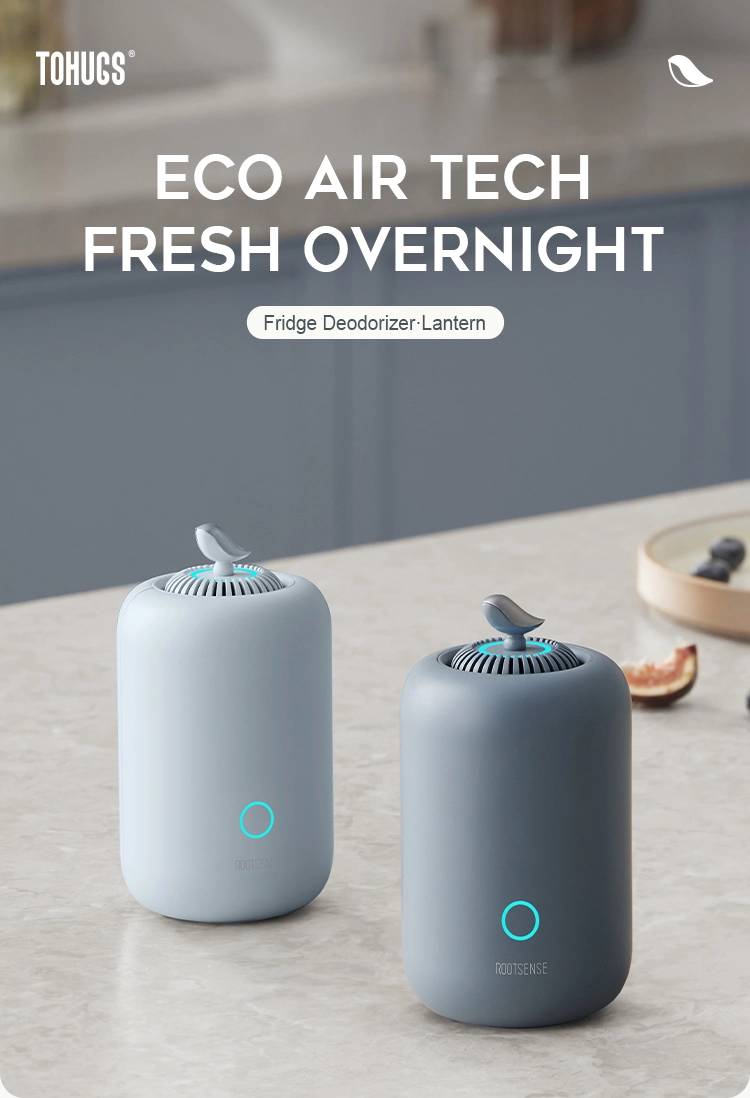
Refrigerator Hygiene Essentials: Why Your Fridge Isn’t a Safe Box and How to Keep It Clean
Your fridge stores a variety of foods — fresh, cooked, raw — all mingling together. This combined with the cold, moist, and sealed environment creates an ideal breeding ground for bacteria.
Your fridge can harbor over 700 types of cold-loving pathogenic bacteria, including Listeria, E. coli, Staphylococcus aureus, Salmonella Typhimurium, Shigella sonnei, and Yersinia enterocolitica.
These bacteria can cause symptoms ranging from diarrhea and vomiting to severe food poisoning that threatens life.
Foodborne Pathogens:
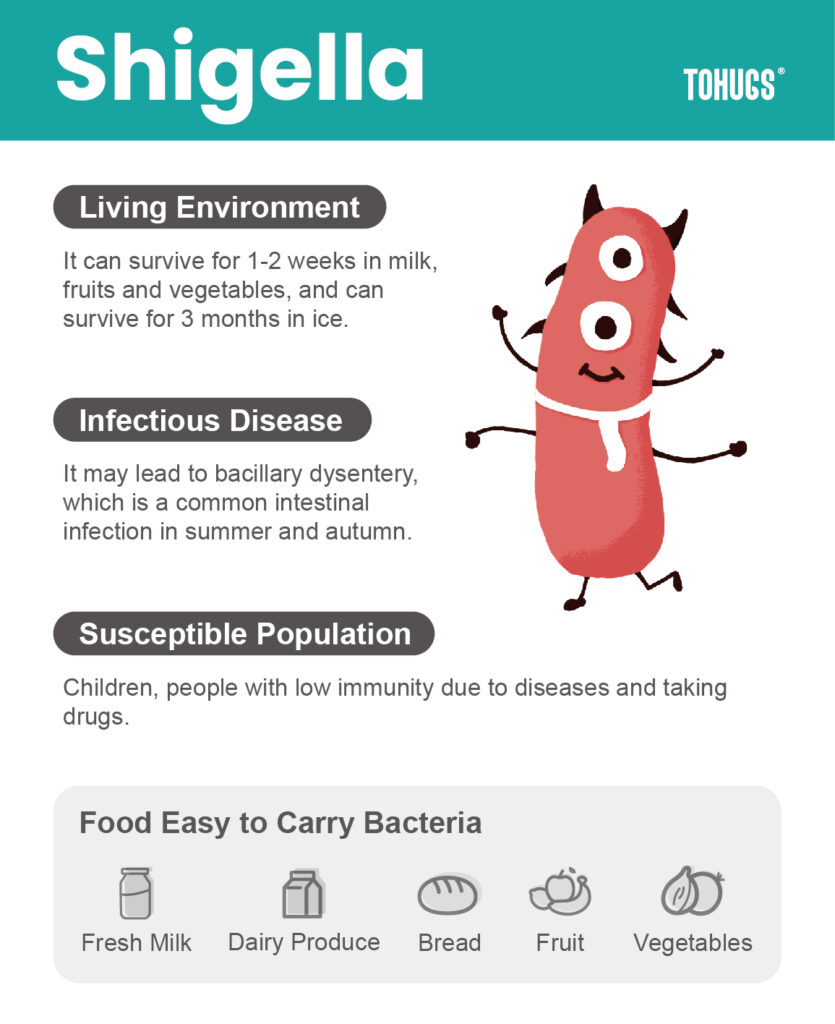
1.Listeria
- Survival Environment: Growth temperature range: -1.5°C to 45°C, with an optimal growth temperature of 30°C to 37°C.
- Symptoms: Fever, muscle pain, nausea, diarrhea, and severe cases can even develop into meningitis and sepsis, which are life-threatening.
- Susceptible Populations: Pregnant women, infants, people over 50, those who are weak due to other illnesses, and those with weakened immune systems. 4. Foods that are likely to carry the bacteria: Fresh milk, dairy products, and raw meat.
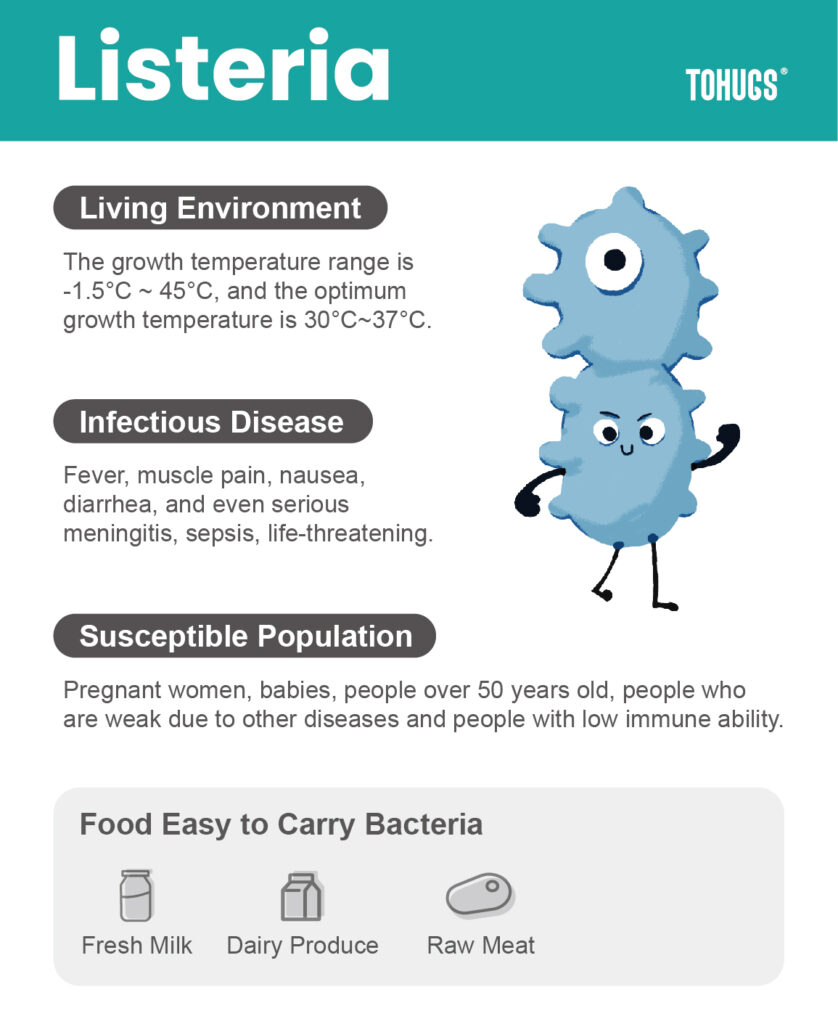
2.Salmonella:
- Survival Environment: It can survive in the refrigerator for 3 to 4 months and can reproduce in large numbers at temperatures above 20°C.
- Symptoms of infection: Fever, nausea, vomiting, abdominal pain, pain, chills, and diarrhea may occur.
- Susceptible Populations: Infants and children under 5 years old, non-breastfed infants under 1 year old, adults over 65 years old, people with weakened immune systems, and people taking certain medications (such as those that reduce gastric acid secretion).
- Foods that are likely to carry bacteria: Fresh milk, poultry, raw meat, eggs, and fish.
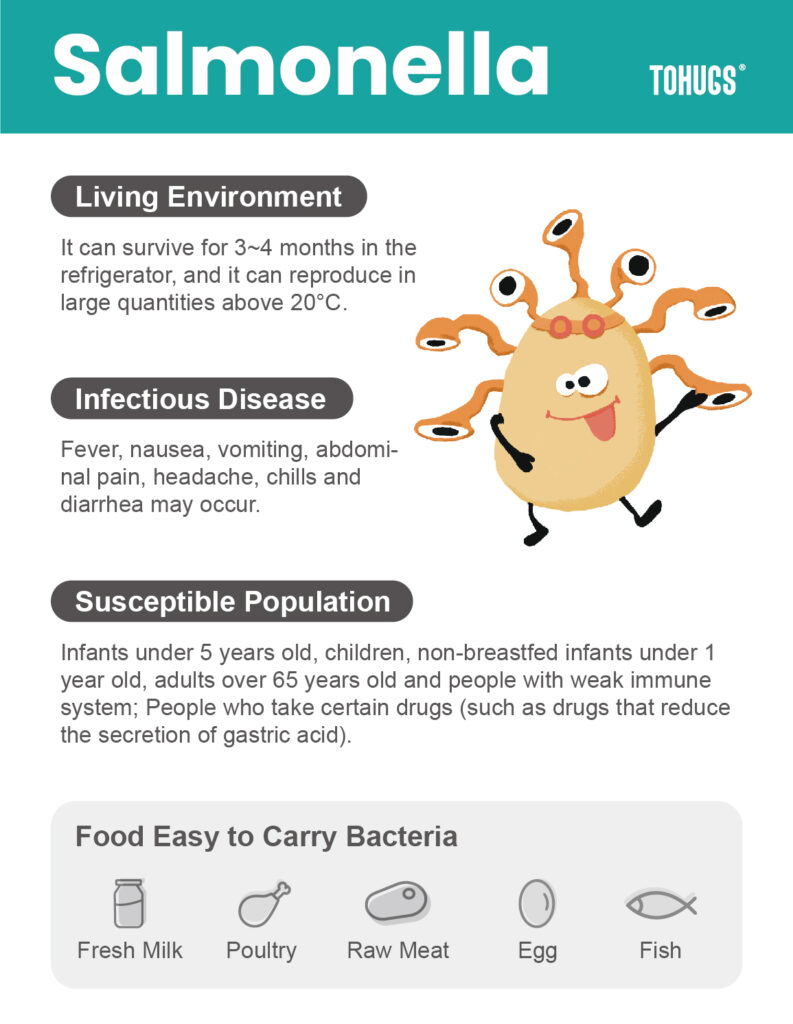
3.Shigella
- Survival Environment: Can survive in milk, fruits, and vegetables for 1-2 weeks, and can survive in ice for up to 3 months.
- Infection Symptoms: Can cause bacillary dysentery, a common intestinal infection in summer and autumn.
- Susceptible Populations: Children and those with weakened immune systems due to illness or medication.
- Foods That Can Carry the Bacterium: Fresh milk, dairy products, bread, fruits, and vegetables
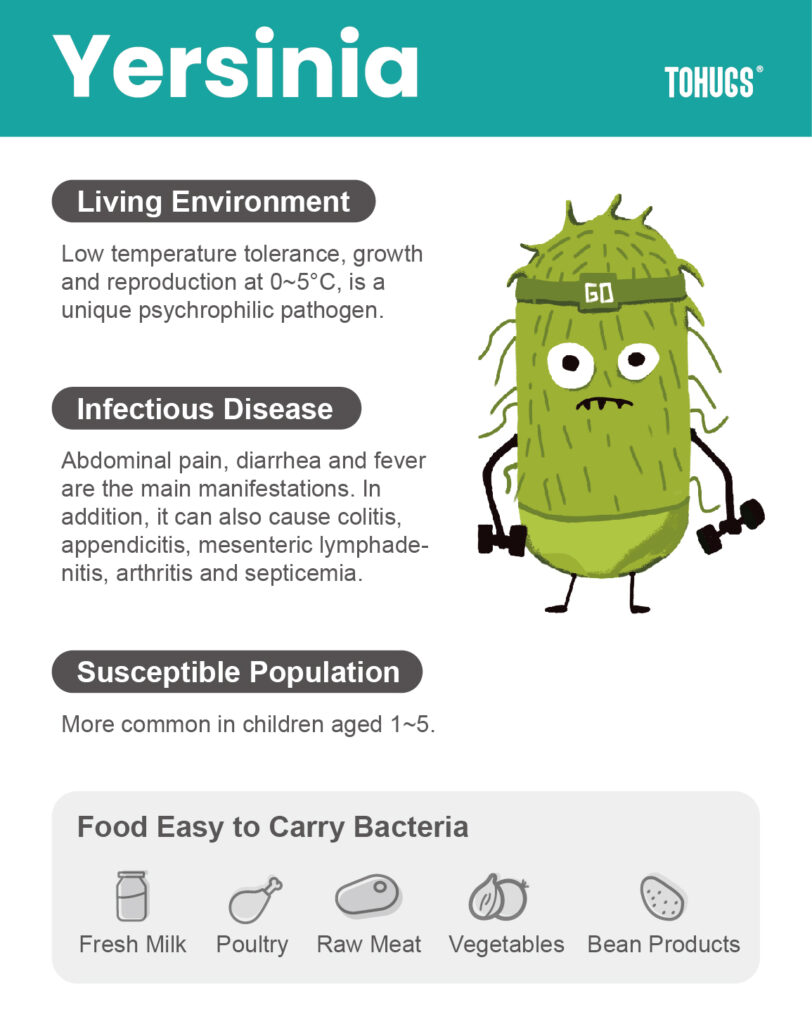
4.Yersinia
- Survival Environment: Resistant to low temperatures, it can grow and reproduce at temperatures between 0°C and 5°C, making it a unique psychrophilic pathogen.
- Symptoms: Mainly manifested by abdominal pain, diarrhea, and fever. It can also cause colitis, appendicitis, mesenteric lymphadenitis, arthritis, and sepsis.
- Susceptible Population: Mostly children aged 1 to 5 years.
- Foods Most Likely to Carry the Bacterium: Fresh milk, poultry, vegetables, raw meat, and soy products.
How TOHUGS Lantern Works
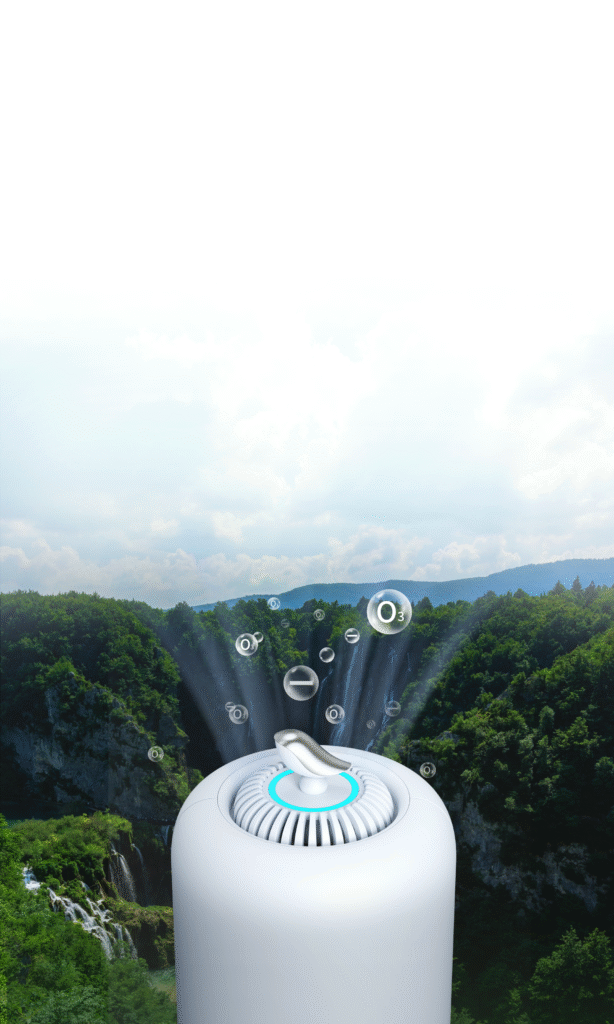
TOHUGS Lantern simulates lightning discharge to generate active oxygen (O₃), which releases inside the fridge’s cold, moist environment. This breaks down bacterial chains, kills pathogens, and eliminates odor sources, solving the root cause of fridge smells and food spoilage.
Practical Tips for Your Fridge:
1.After power outages or mold appearance, clean thoroughly and use TOHUGS Lantern on “high mode” to disinfect.
2.When using plastic wrap, poke small holes to allow active oxygen to penetrate and sterilize.
3.Avoid relying solely on activated charcoal or citrus peels as these either accumulate bacteria or decay, worsening the smell.
4.For heavy odors, run “high mode” and remove the source, then air out for 10 minutes to refresh.
Placement Suggestions:
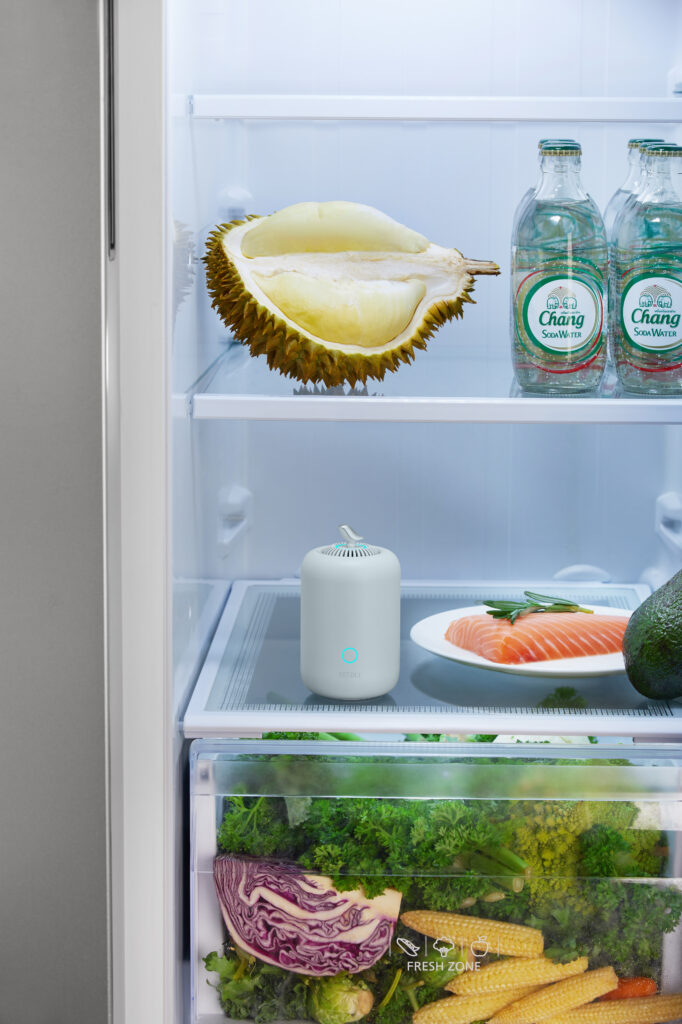
1.Single-door fridge: 1 device inside
2.Drawers or fresh-keeping compartments: 1 additional device
3.Double-door fridge: 1 device per side for best effect
FAQ:
Q1: Why does the fridge develop odors?
A1: Cross-contamination of raw and cooked foods in the cold, moist fridge environment promotes bacterial growth, causing odors.
Q2: What common pathogenic bacteria are in fridges?
A2: Includes Listeria, E. coli, Staphylococcus aureus, Salmonella, Shigella, and others.
Q3: How does active oxygen remove bacteria and odors?
A3: Active oxygen destroys bacterial cell structure and breaks down odor molecules, purifying fridge air and surfaces.
Q4: Is TOHUGS Lantern safe to use?
A4: Ozone emission is below 0.05 ppm, meeting EPA and FDA safety standards, harmless to humans.
Q5: Are activated charcoal and citrus peels effective?
A5: Activated charcoal absorbs odors physically but can get damp; citrus peels decay quickly, limiting effectiveness and may worsen contamination.
Q6: Does the deodorizer require maintenance?
A6: TOHUGS Lantern is maintenance-free; just wipe clean periodically.
Q7: How to handle severe odors?
A7: Use high mode, remove odor sources, and air out for 10 minutes to reduce odors.
Q8: Best placement for deodorizer?
A8: Near fridge air vent or center; in double-door fridges, place one on each side for optimal effect.
Q9: Does it affect food taste?
A9: No, ozone levels are controlled and do not alter food flavors.
Q10: What fridge types is it suitable for?
A10: Suitable for single-door, double-door, mini fridges and hotel minibars.
Start protecting your food with science.
Try the TOHUGS Candy Pod and say goodbye to stink — and waste.



 English
4 Responses
This is the kind of quality content I love to see.
We’re glad our content was helpful to you.
The prose invites mindful attention. Each sentence creates space for reflection, observation, and contemplation, cultivating calm insight and a sense of presence.
We’re glad our content was helpful to you.